
As the global shift from state or employer-driven financial security towards individual financial responsibility continues to gain momentum, financial literacy has become a central pillar of financial policy, underpinned by growing international coordination through bodies such as the OECD/INFE [1] and reinforced by EU-wide strategic initiatives. European initiatives, particularly the Savings and Investments Union, are placing renewed emphasis on equipping citizens with the knowledge, confidence, and tools required to navigate increasingly complex financial products and markets.
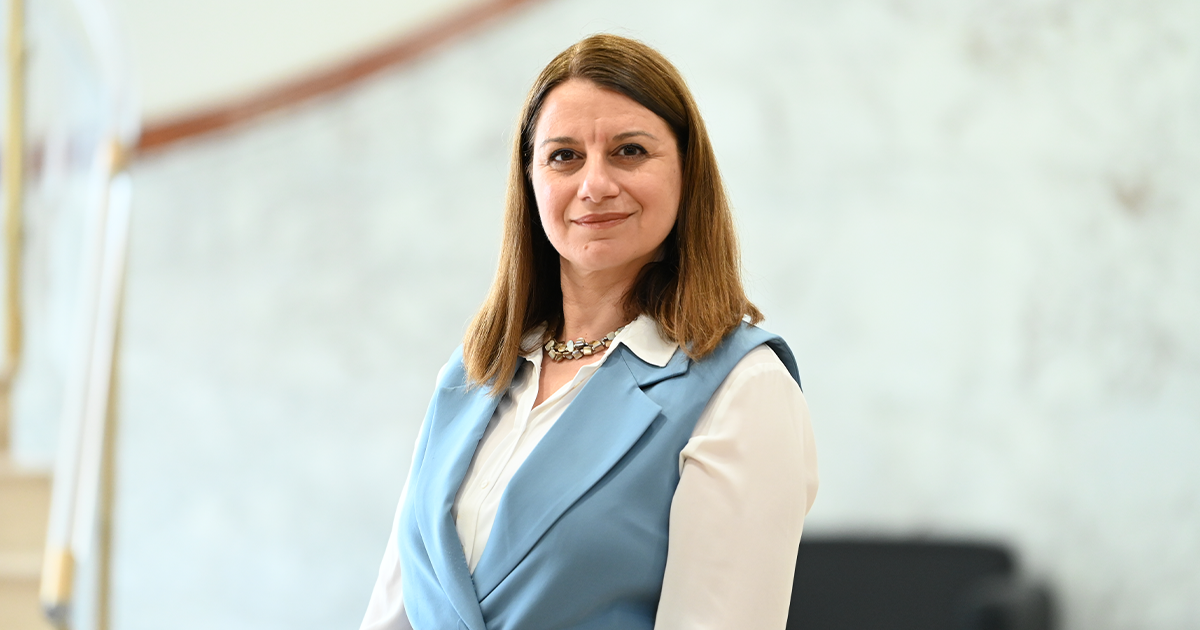
Within this broader European context, Malta’s participation is both active and evolving. The appointment of Dr Sarah Pulis, Head of Conduct Supervision at the MFSA, as Malta’s Financial Literacy Ambassador reflects a deliberate effort to connect European priorities with the realities faced by Maltese consumers.
While the role is anchored in a European initiative, its impact is inherently local, translating EU-wide strategy into practical action and ensuring financial literacy initiatives resonate with individuals’ day-to-day financial decisions.
Bringing European Ambitions Closer to Home
At an EU level, financial literacy is increasingly linked to broader economic objectives, including improving retail investor participation and strengthening financial resilience. However, the effectiveness of these ambitions ultimately depends on how successfully they translate into behavioural change at local level.
In Malta, this translation is particularly important. While there is a well-established culture of saving [2], participation in investment markets remains comparatively cautious. Investing is often perceived as complex or risky, largely due to limited familiarity with key concepts such as diversification, risk-return trade-offs, and long-term financial planning.
As a result, many individuals continue to favour more traditional approaches, such as holding funds in low-yielding savings accounts, which generally fail to keep pace with inflation, or investing in real estate, which, while perceived as stable over the long term, may involve leverage and be less liquid than many financial instruments.
Practical and targeted education is therefore essential to build confidence and better channel dormant savings into productive investment. This shift from wealth preservation to sustainable wealth accumulation can support local and other European business financing, enhance economic resilience, and contribute to long-term growth.
A Snapshot of Malta’s Financial Literacy Landscape
Malta benefits from a growing collaborative financial literacy ecosystem, involving public authorities, regulators, and other stakeholders. The MFSA plays a central role in coordinating and supporting initiatives aimed at improving financial capability across different segments of society.
A number of active initiatives are in place nationwide, covering topics such as budgeting, debt management, consumer rights, sustainable finance, and fraud awareness. These are delivered through a variety of channels, including digital campaigns, media engagement, and in-person sessions, reflecting the need for continuous, accessible, and targeted financial education.
Importantly, both local experience and international research underline that financial literacy extends beyond knowledge alone. It is equally shaped by skills, attitudes, and behaviours, factors that require sustained and consistent engagement over time.
The Ambassadorial Role in a Maltese Context
Within Malta’s evolving financial literacy landscape, the role of Dr Pulis as the Financial Literacy Ambassador takes on a distinctly practical dimension. Beyond strategic alignment with the EU’s Financial Literacy Strategy, and by extension, the Savings and Investments Union, her role is focused on ensuring that financial education is relevant, accessible, neutral, and embedded in everyday life.
A key challenge is not simply a lack of information, but a gap between awareness and action. Financial decisions, whether taking out a loan, assessing an investment opportunity, choosing the right insurance policy, or identifying potential fraud, are often made in real time and influenced by personal circumstances, risk perception, and confidence levels. The Ambassadorial role therefore places strong emphasis on making financial literacy tangible and actionable, supporting individuals at critical decision points.
Another important aspect relates to behavioural dynamics. While saving remains deeply ingrained, hesitation around investing in financial markets is often driven by uncertainty or a perceived lack of expertise. Addressing this requires more than explaining financial concepts. It requires building trust, normalising participation, and communicating in ways that resonate with a heterogeneous society such as Malta’s, which includes individuals across age groups, educational backgrounds, income levels, cultural context, genders, and varying levels of digital and financial literacy.
The role also involves engaging a broad range of stakeholders, from public institutions to industry and community groups. Financial literacy cannot and should not be delivered in isolation; it depends on consistent messaging and coordinated action. In this respect, the Ambassador acts as a catalyst, helping to align efforts and maximise impact.
Equally, the Maltese context highlights the importance of addressing emerging risks, particularly financial scams. Despite ongoing awareness efforts, cases persist where individuals fall victim to fraudulent schemes, sometimes even after being warned by banks, authorities, or their own family and friends. This underscores a critical point that effective financial literacy must go beyond information. It should address behavioural and emotional drivers of decision-making. In practice, this calls for more scenario-based, preventative approaches, equipping individuals to recognise warning signs and respond appropriately under pressure. It also reinforces the need for continuous engagement, as fraud tactics evolve rapidly alongside technological developments.
Ultimately, the Ambassadorial role is not only about promoting financial literacy, but about ensuring that it translates into real-world impact, strengthening confidence, improving decision-making, and fostering a more financially resilient society. In doing so, it ensures that Malta’s efforts are not developed in isolation, but contribute meaningfully to a wider, coordinated European direction.
[1] The OECD International Network on Financial Education (OECD/INFE) is the global leader in coordinating, developing, and promoting policy, guidance, research, and measurement tools for financial literacy. Since 2025, the MFSA has been a full member of the OECD/INFE network
[2] In 2024, Malta registered the third-highest household savings rate in the EU at 19.4% (Source: Malta Statistical Office, Annual Non-financial Accounts of the Household Sector 2024).
